

Parking Lot Designs and Layouts play a crucial role in modern urban planning and infrastructure development. As cities become denser and the number of vehicles increases, the demand for efficient parking solutions has never been more pressing. No longer is it sufficient to merely create spaces for cars; today’s designs must focus on optimizing available land, enhancing safety, and ensuring sustainability. This article delves into the significance of thoughtful parking lot designs and layouts, exploring the benefits they provide to drivers, businesses, and communities at large. Additionally, we will highlight the expertise of CEI Engineers LLC, a leader in the field of parking lot design.
Introduction to Parking Lot Design
Parking lot design encompasses the planning and organization of spaces designated for vehicle parking. It involves creating layouts that not only accommodate the maximum number of vehicles but also ensure smooth traffic flow, pedestrian safety, and integration with surrounding infrastructure. In recent years, the complexity of parking needs has escalated due to increased urban density and vehicle ownership, leading to a shift in focus from mere space provision to the creation of more sophisticated, effective, and sustainable parking solutions.
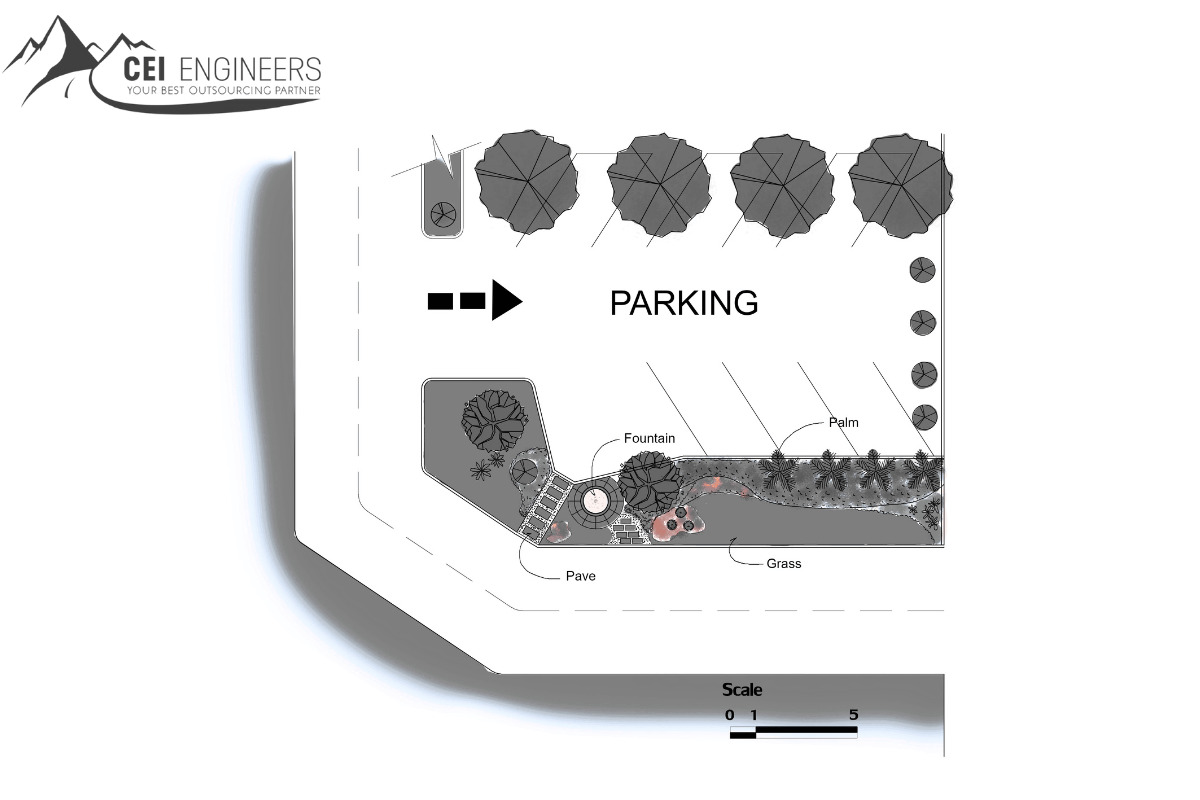
As cities grapple with the challenges posed by traffic congestion, environmental concerns, and urban sprawl, the importance of quality parking lot design cannot be overstated. A well-designed parking lot enhances accessibility, mitigates vehicular pollution, and improves overall urban aesthetics. CEI Engineers LLC excels in providing innovative parking lot designs tailored to meet the varied needs of local governments, businesses, and developers, ensuring that their projects align with best practices and community standards.
Importance of Parking Lot Designs and Layouts
Efficient parking lot design is vital for various reasons, each contributing to a seamless experience for both drivers and pedestrians.
Enhancing Traffic Flow
A well-structured parking layout minimizes congestion, reduces wait times, and allows for smoother transitions between parking and roadways. When traffic flows efficiently through the parking lot, it reduces the likelihood of gridlock, thereby improving the overall experience for all users.
- Minimized congestion: Strategic placement of entrances and exits can streamline traffic patterns.
- Reduced wait times: A functional design decreases the time spent searching for parking.
- Improved traffic efficiency: Well-marked lanes and logical flow directions guide drivers smoothly through the area.
Maximizing Space Utilization
Strategic design can significantly optimize land use by accommodating more vehicles within a given area.
- Space-efficient layouts: Utilizing angled or perpendicular parking can increase the number of vehicles that fit into a limited space.
- Decreased wasted space: Innovative designs prevent unnecessary gaps between parked vehicles, allowing for greater capacity.
- Adaptability: Flexible layouts can evolve based on changing traffic patterns or land-use demands.
Ensuring Pedestrian Safety
Incorporating safety features is paramount in parking lot design. Clear pathways, designated crosswalks, and adequate lighting contribute to the protection of pedestrians from vehicle traffic.
- Clear pathways: Marked walkways guide pedestrians safely through parking areas.
- Safe crossings: Crosswalks located at strategic points reduce potential conflicts between vehicles and pedestrians.
- Adequate lighting: Well-lit areas enhance visibility and deter criminal activity, creating a safer environment for everyone.
Types of Parking Lot Layouts
Understanding the various types of parking lot layouts is essential for selecting the most appropriate configuration for specific scenarios. Each layout presents its unique advantages and is suited to different environments.

Straight-In Parking
Straight-in parking involves vehicles entering parking spaces head-on, allowing for a straightforward parking process. This layout is particularly beneficial in high-traffic areas where ease of access is critical.
- Ease of parking: Straight-in parking requires minimal maneuvering, making it accessible for all drivers, regardless of skill levels.
- Good traffic flow: This layout supports two-way traffic, reducing the possibility of bottlenecks when vehicles are coming and going.
- Ideal for high-traffic areas: Given its simplicity, straight-in parking is often found in busy commercial settings where quick turnover is essential.
Angled Parking
Angled parking features spaces set at an angle to the driving aisle, which facilitates easier entry and exit from parking spots. This layout works well in one-way traffic systems, simplifying navigation for drivers.
- Ease of pulling in and out: The angled design allows drivers to steer into spaces without the need for complex maneuvers.
- Designed for one-way traffic: This layout is particularly effective in smaller lots where directional flow is restricted.
- High turnover rates: Angled parking encourages quicker parking and retrieval, making it ideal for retail establishments.
Perpendicular Parking
Vehicles park at a 90-degree angle to the drive aisle in perpendicular parking. This layout is known for its high space efficiency but may pose challenges for some drivers.
- High space efficiency: Perpendicular designs maximize the number of vehicles accommodated in a given area.
- Compatible with two-way traffic: This layout allows for simultaneous movement of vehicles in both directions.
- Potential difficulties: Drivers may find perpendicular parking challenging, necessitating wider aisles for better maneuverability.
Parallel Parking
Parallel parking is commonly seen along curbs in urban environments. Although this method can be difficult for some drivers, it is highly effective in maximizing street use, especially in narrow spaces.
- Street parking suitability: Parallel designs are perfect for residential neighborhoods or bustling city streets where space is limited.
- Challenging for some drivers: Gaining proficiency in parallel parking can be intimidating, leading to hesitancy among less experienced drivers.
- Great for narrow streets: This layout optimizes available space while maintaining clear traffic pathways.
Combination Layouts
Many larger parking lots leverage combination layouts that integrate multiple designs to optimize functionality and space. This approach allows for greater flexibility in accommodating diverse user needs.
- Utilizing multiple designs: Combination layouts can incorporate straight-in, angled, and perpendicular spaces to maximize efficiency.
- Effective for large lots: Larger facilities benefit from the adaptability that multi-layout designs offer, accommodating a variety of vehicles and traffic patterns.
- Well-planned configurations: Successful combination layouts require careful planning to ensure consistent traffic flow and safety.
Key Factors in Designing a Parking Lot
Several critical factors influence the design of a parking lot. By considering these elements, designers can create layouts that are both efficient and safe for all users.

Size and Dimensions
Understanding standard parking space sizes and aisle widths is foundational in parking lot design. These dimensions directly impact traffic flow and space utilization.
- Standard parking space size: Typically, a standard parking space measures approximately 9 feet wide by 18 feet long, accommodating most vehicles comfortably.
- Aisle width requirements: Two-way aisles generally need to be at least 24 feet wide to facilitate safe passage of vehicles in both directions.
- Impact on utilization: Adhering to these standards ensures optimal space usage while mitigating the risk of accidents.
Accessibility Requirements
Compliance with the Americans with Disabilities Act (ADA) is crucial for ensuring that parking lots are accessible to all individuals, including those with disabilities.
- Handicapped parking spaces: Designers must allocate a specified number of spaces for disabled individuals, marked with appropriate signage and designated access routes.
- Proximity to entrances: Handicapped parking should be located as close to building entrances as possible to minimize travel distances.
- Signage and markings: Clear signs and pavement markings enhance navigability and ensure compliance with local regulations.
Safety Considerations
Safety is paramount in parking lot design, necessitating attention to lighting, visibility, and pedestrian pathways.
- Adequate lighting: Well-lit parking lots reduce the risk of accidents and enhance security for all users.
- Visibility considerations: Designing sightlines that allow drivers to see pedestrians and other vehicles reduces potential collisions.
- Pedestrian pathways: Clearly marked paths and crossings help ensure safe movement for foot traffic.
Environmental and Sustainability Factors
Modern parking lot designs increasingly prioritize environmental sustainability, addressing issues such as stormwater management and green aesthetics.
- Stormwater management systems: Incorporating permeable surfaces and drainage systems prevents flooding and reduces runoff pollution.
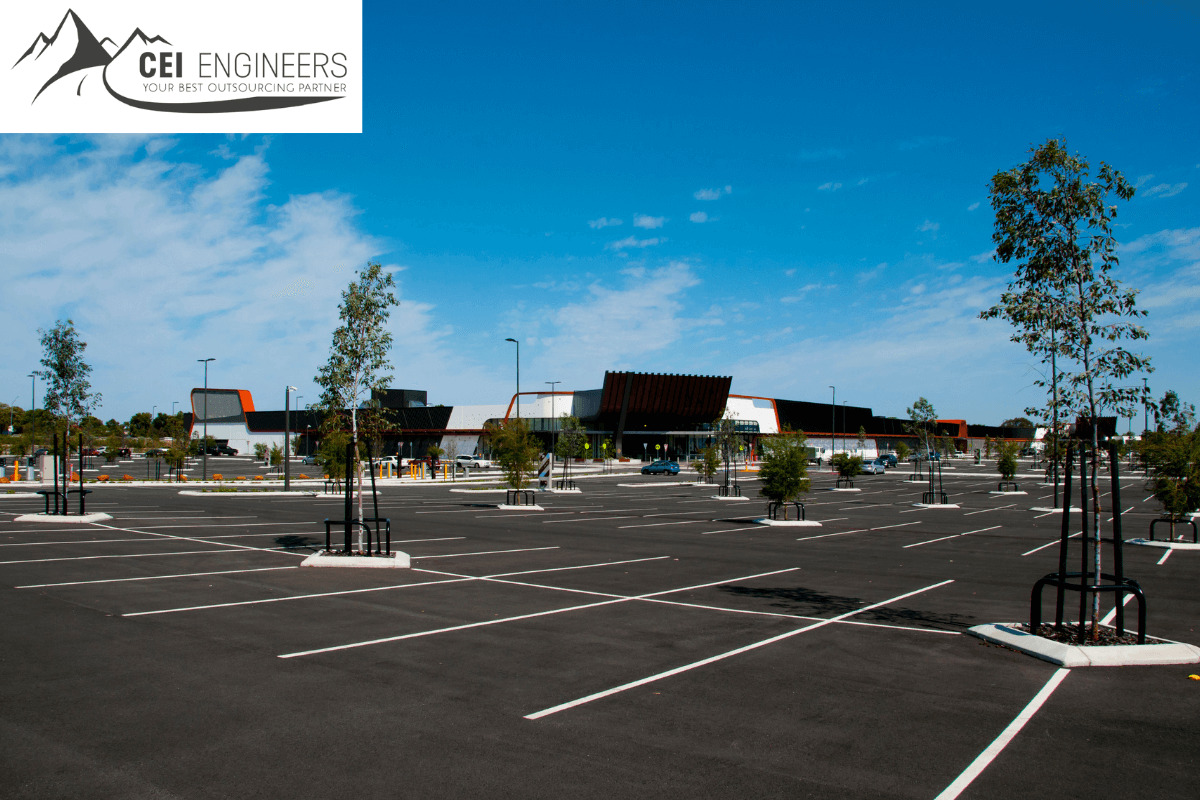
- Landscaping and green spaces: Introducing vegetation and trees enhances aesthetics while improving air quality.
- Solar panel canopies: Integrating solar panels into parking structures can generate renewable energy while providing shade for vehicles.
Advanced Features in Modern Parking Lots
As technology evolves, so do parking lot designs. Modern advancements have led to several innovative features that enhance functionality and user experience.
Smart Parking Solutions
Incorporating technology into parking spaces allows for more efficient use and management of resources.
- Sensors and apps: Smart parking technology utilizes sensors to track available spots, guiding drivers directly to open spaces via mobile applications.
- Automated payment systems: Contactless payment methods improve convenience and streamline the parking experience, reducing the need for cash transactions.
- Data analytics: Utilizing data collected from parking patterns can lead to improved designs and space allocation over time.
Electric Vehicle Charging Stations
As electric vehicles (EVs) gain popularity, the integration of charging stations into parking designs becomes increasingly important.
- Strategic placement: Identifying optimal locations for EV charging stations enhances accessibility for electric vehicle owners and encourages adoption.
- Future trends in infrastructure: As the demand for EVs grows, parking facilities must adapt their designs to accommodate additional charging capabilities.
- Sustainable initiatives: Integrating charging stations contributes to environmental goals by promoting cleaner energy alternatives.
Multi-Purpose Designs
Modern parking lots are evolving beyond their traditional roles. Many now serve as multifunctional community spaces.
- Community engagement: Parking lots can host events, farmers’ markets, or recreational activities, transforming them into vibrant communal hubs.
- Incorporating green areas: Designing parking lots with landscaped sections enhances aesthetics and provides necessary green spaces amid urban environments.
- Flexibility in design: Multi-purpose parking designs require creative planning to cater to various activities while fulfilling standard parking functions.
CEI Engineers LLC Provides Parking Lot Design Services
CEI Engineers LLC is at the forefront of parking lot design services, offering expertise that addresses the multifaceted challenges facing modern parking solutions. With a team of skilled professionals, CEI Engineers LLC tailors its approach to meet the unique needs of each project, from optimizing traffic flow to ensuring ADA compliance and implementing sustainable practices. Their commitment to excellence ensures that clients receive comprehensive design services that elevate the functionality and safety of their parking lots.

Contact us for consultation via Gmail: contact.cei@ceioengineer.com.
